Rehabilitation & Physical Therapy: Supporting Recovery and Restoring Mobility
Introduction
Movement is an essential part of everyday life. However, joint pain, muscle weakness, injuries, and surgical procedures can make routine activities difficult. Rehabilitation and physical therapy help patients work towards improved mobility, strength, flexibility, and independence through an appropriate recovery programme.
For patients recovering from knee replacement surgery or managing orthopaedic conditions, rehabilitation is an important part of the overall treatment journey.
At RK Hospital & Research Center, Indore, patients can seek medical guidance to understand their condition and identify appropriate steps towards recovery.
What Is Rehabilitation and Physical Therapy?
Rehabilitation is a process designed to help individuals regain or improve their physical abilities after an injury, illness, surgery, or condition that affects movement.
Physical therapy, also known as physiotherapy, may include therapeutic exercises, movement training, balance activities, and other techniques selected according to the patient's needs.
The main goals of rehabilitation are to improve physical function, support safe movement, build muscle strength, and help patients return to daily activities as their condition allows.
When Is Physical Therapy Recommended?
Physical therapy may be recommended for several conditions that affect movement and physical function.
1. Knee Pain and Joint Stiffness
Patients with selected knee conditions may benefit from prescribed exercises that help improve flexibility, muscle strength, and movement.
2. Recovery After Knee Replacement
Following knee replacement surgery, rehabilitation helps patients gradually work on knee movement, walking ability, strength, and balance.
3. Orthopaedic Injuries
Some muscle, ligament, and joint injuries require a structured rehabilitation programme to support healing and restore function.
4. Post-Surgical Recovery
After appropriate surgical procedures, physical therapy may help patients regain movement and gradually resume recommended activities.
5. Muscle Weakness and Mobility Problems
Patients who experience reduced strength, poor balance, or difficulty performing everyday movements may benefit from an individually planned rehabilitation programme.
The type and duration of therapy depend on the diagnosis and the healthcare professional's recommendations.
What Are the Benefits of Rehabilitation and Physical Therapy?
A suitable rehabilitation programme can support recovery in several ways.
Improved mobility: Prescribed movements may help improve joint flexibility and make everyday activities easier.
Increased muscle strength: Targeted exercises help strengthen muscles involved in walking, standing, and maintaining stability.
Better balance and coordination: Guided activities may improve movement control and confidence during daily tasks.
Support after surgery: Rehabilitation helps patients gradually regain functional abilities following appropriate surgical procedures.
Improved independence: Functional training can help patients work towards managing routine activities more comfortably.
Results vary according to the underlying condition, the patient's health, and their response to treatment.
What Does a Physical Therapy Programme Include?
A rehabilitation programme is planned according to the patient's condition, physical abilities, and recovery goals.
### Initial Assessment
The physiotherapist evaluates the patient's movement, strength, flexibility, balance, and functional limitations.
Range-of-Motion Exercises
Suitable exercises may help improve joint movement and reduce stiffness.
Strengthening Exercises
Targeted exercises help strengthen the muscles needed for stability, walking, and everyday movement.
Walking and Balance Training
Patients may practise safe walking techniques, balance activities, and movement patterns appropriate to their recovery stage.
Functional Training
Therapy may focus on daily activities such as sitting down, standing up, walking, and climbing stairs when medically appropriate.
Progress Monitoring
The rehabilitation plan can be adjusted as the patient improves, according to clinical assessment and the treating team's instructions.
Not every exercise is suitable for every patient. Following professional guidance is particularly important after surgery or a significant injury.
Why Is Rehabilitation Important After Knee Replacement?
Knee replacement surgery addresses damage within the joint, but regaining movement and strength requires a gradual recovery process.
Rehabilitation can help patients practise knee movement, strengthen supporting muscles, improve walking ability, and build confidence with everyday tasks.
The treating surgeon and physiotherapist determine which exercises are appropriate and how quickly activities should progress. Patients should not force movements or continue exercises that cause severe or worsening pain.
How Long Does Physical Therapy Take?
The duration of rehabilitation varies from patient to patient. Some individuals need a short course of therapy, while others may require several weeks or months of support.
Recovery can depend on:
- The type and severity of the condition.
- The nature of the injury or surgical procedure.
- The patient's general health and pre-existing mobility.
- Consistency with the prescribed programme.
- Individual healing and progress.
Regular follow-ups help the treating team assess improvement and modify the rehabilitation plan when necessary.
When Should You Seek Professional Guidance?
Consider consulting a healthcare professional if persistent joint pain, stiffness, muscle weakness, or difficulty walking interferes with everyday life.
Following surgery, patients should contact their treating team if pain or swelling increases unexpectedly, or if wound problems develop. Sudden chest pain or shortness of breath requires emergency medical attention.
Avoid starting strenuous exercises without appropriate advice, especially after a recent operation or significant injury.
Conclusion
Rehabilitation and physical therapy are important parts of recovery for many people experiencing joint pain, reduced mobility, muscle weakness, or post-surgical limitations. With appropriate assessment and a structured treatment plan, patients can work towards improved movement, strength, and independence.
If knee pain or movement difficulties are affecting your daily routine, seek professional advice to understand the underlying problem and the available treatment options.
Consult the orthopaedic team at RK Hospital & Research Center, Indore, for guidance on joint health, recovery after orthopaedic surgery, and appropriate rehabilitation options.
Contact: +91 93994 84434
Disclaimer: This article is intended for general educational purposes only. Rehabilitation and physical therapy should be guided by qualified healthcare professionals according to the patient's individual condition.
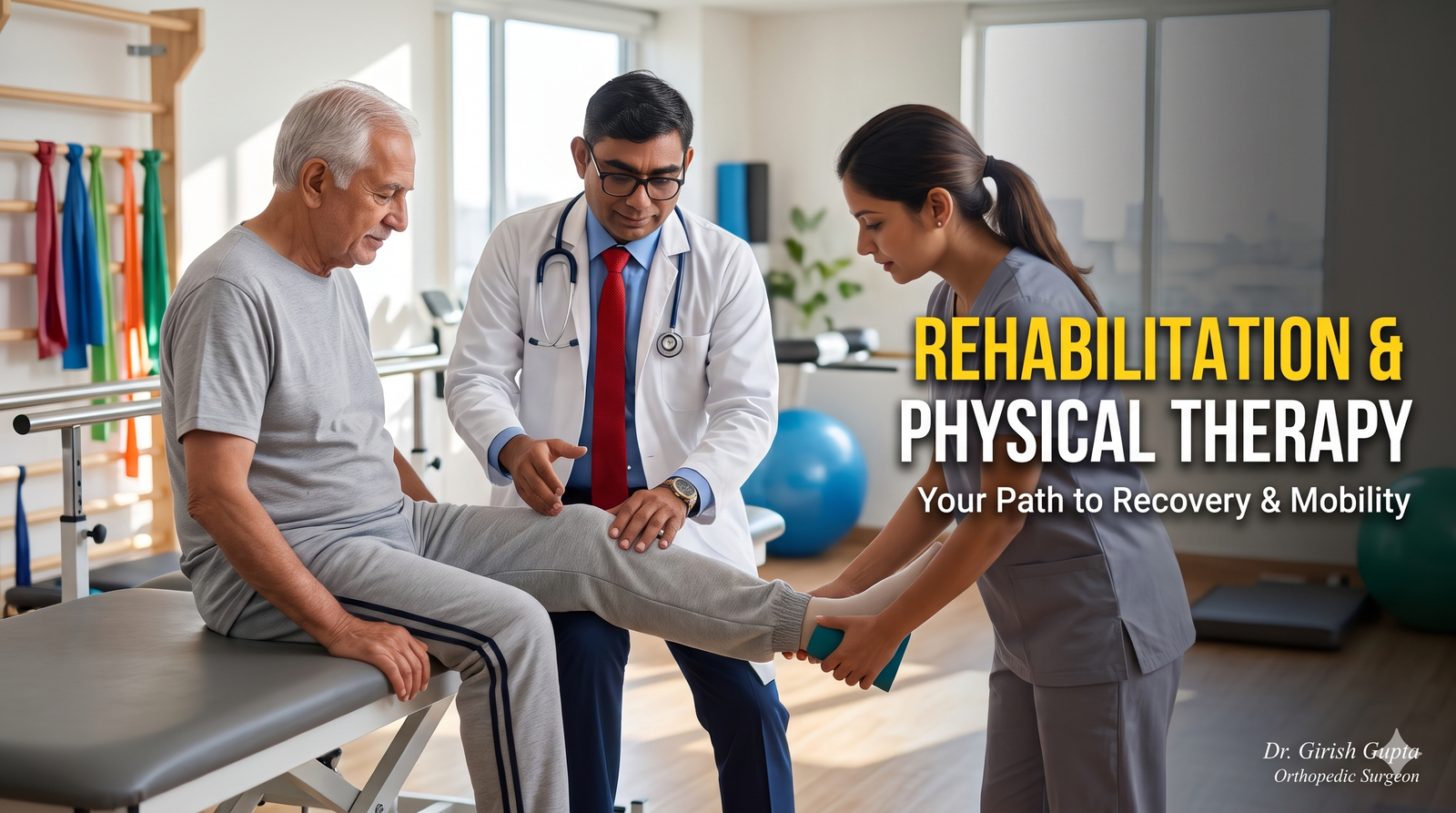
Rehabilitation and physical therapy play an important role in improving mobility, strength, flexibility, and everyday function. They may be recommended for patients recovering from orthopaedic surgery, managing joint pain, or experiencing movement difficulties. At RK Hospital & Research Center, Indore, patients can seek appropriate medical guidance to understand their rehabilitation needs and recovery goals.
Share This Article: